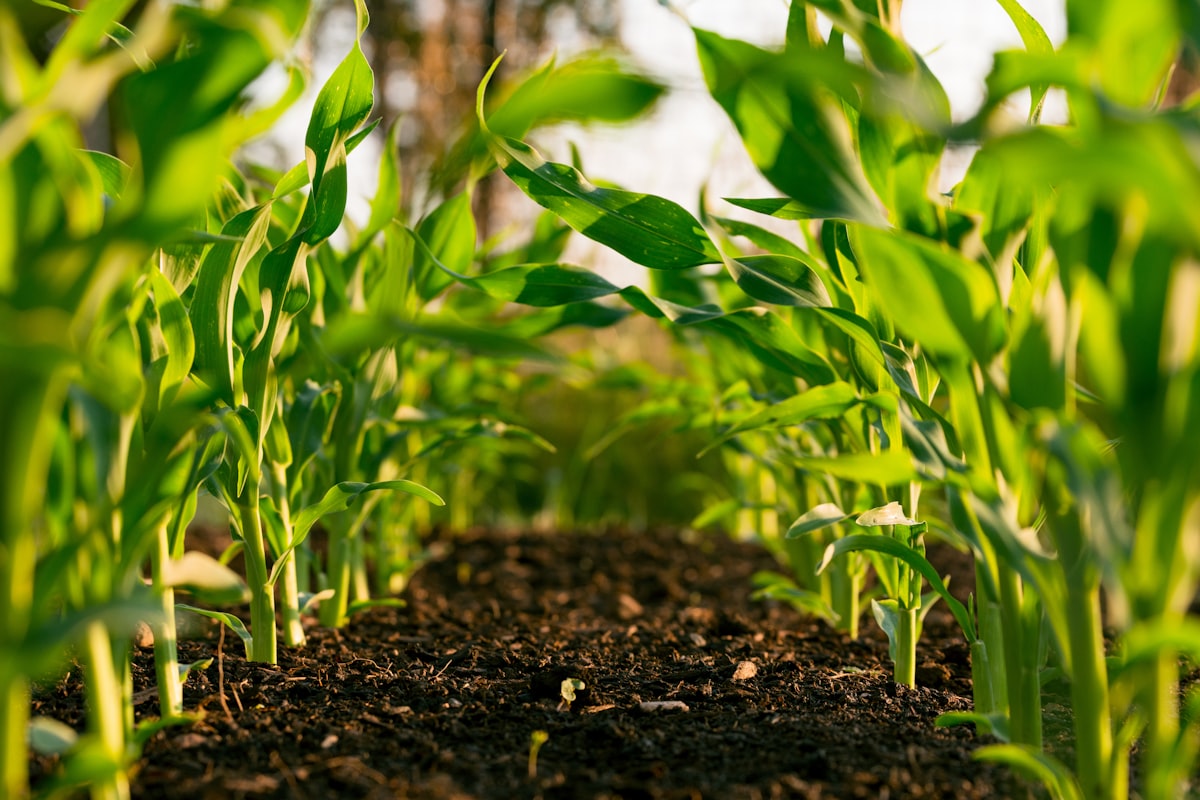
In a village in central Kenya, a maize farmer photographs a yellowing leaf with her smartphone. Within seconds, an AI algorithm identifies the infection — fall armyworm damage, early stage — and sends her a treatment recommendation, complete with the nearest stockist and a micro-loan offer for the pesticide. Three years ago, she would have lost 30% of her harvest. This season, she intervened in time.
Across East Africa, scenes like this are multiplying. A new generation of agritech companies — armed with smartphone penetration, mobile money rails, satellite imagery, and machine learning — is tackling the productivity crisis that has kept African farming subsistence-level for decades. The revolution is still nascent. But the pace of change is accelerating.
The Problem Being Solved
Agriculture employs approximately 65-75% of East Africa's workforce and generates 25-35% of GDP. Yet the sector operates far below its potential. Crop yields per hectare in Kenya, Tanzania, and Ethiopia average 20-50% of global norms. Post-harvest losses — due to inadequate storage, poor transport, and lack of market information — consume 30-40% of produce before it reaches consumers.
The causes are structural. Most East African farmers cultivate plots of less than 2 hectares with limited access to improved seeds, fertiliser, crop protection products, irrigation, meteorological data, market price information, or credit. The agricultural extension services that help farmers in developed economies are severely understaffed across Africa — Kenya has roughly one extension officer per 1,500 farmers, versus the recommended ratio of 1:400.
Technology is addressing these gaps — not by replacing human extension workers (though that happens too) but by putting information, inputs, and financial services into the hands of farmers through the devices they already carry.
The Companies
Apollo Agriculture has built what may be the most comprehensive agritech platform in East Africa. Operating primarily in Kenya, Apollo bundles everything a smallholder farmer needs into a single service: satellite-assessed soil analysis determines the optimal input package (seeds, fertiliser, crop protection), which is delivered to the farmer on credit. Crop insurance — underwritten using satellite weather data — protects the farmer against drought or excess rainfall. At harvest, Apollo facilitates market access, deducting input costs from sale proceeds.
The model is data-driven from end to end. Apollo has collected soil and yield data from hundreds of thousands of farm plots, feeding machine learning models that optimise input recommendations and credit scoring. The company has raised over $50 million and serves hundreds of thousands of farmers across Kenya.
Twiga Foods tackles the supply chain. Founded in Nairobi, Twiga built a B2B marketplace connecting smallholder fruit and vegetable farmers directly to urban retailers — eliminating the layers of middlemen that traditionally captured 40-60% of produce value. The platform manages logistics, quality grading, and payment settlement. Twiga has raised over $150 million, processes thousands of tonnes of produce monthly, and has expanded beyond Kenya into Uganda and Tanzania.
Pula has cracked the crop insurance problem that defeats most attempts at agricultural risk transfer in Africa. Using satellite imagery and weather data to verify claims — rather than requiring physical inspections of individual farms — Pula can insure smallholder farmers at premiums of $2-5 per season per hectare. The company, headquartered in Nairobi, has insured over 16 million farmers across 22 countries.
SunCulture addresses the irrigation gap. Only 6% of cultivated land in Sub-Saharan Africa is irrigated, versus 37% in Asia. SunCulture manufactures and distributes solar-powered irrigation systems that allow smallholders to farm year-round, independent of rainfall. Financed through pay-as-you-go models (borrowed from the off-grid solar industry), the systems typically increase farm revenue by 300-500%.
The Investment Landscape
African agritech attracted approximately $600 million in venture capital in 2025, up from $180 million in 2021. East Africa captures roughly 40% of the total, reflecting the region's concentration of agritech startups, larger farming population, and more developed venture capital ecosystem.
Investor interest has evolved from purely impact-driven (development agencies, DFIs) to commercially motivated. Global investors including Softbank, FMO, CDC Group, and Silicon Valley venture firms are deploying capital based on return expectations, not just development impact. The thesis is straightforward: agriculture is a $100 billion annual market in Sub-Saharan Africa, productivity is structurally depressed, technology solutions can capture value by closing efficiency gaps.
The challenge, as always with African venture capital, is exits. Agritech companies that achieve scale in East Africa face limited IPO options (the Nairobi Securities Exchange is thin for tech listings) and must typically look to strategic acquisition or international listing for liquidity events.
Climate Adaptation
East Africa's agriculture faces an existential climate threat. Rainfall patterns that supported generations of farming knowledge are shifting. The 2022-2023 drought — the worst in 40 years — devastated crops and livestock across Kenya, Ethiopia, and Somalia. Flooding from El Niño events is becoming more frequent and severe.
Agritech is increasingly positioned as a climate adaptation tool. Satellite-based weather forecasting gives farmers 10-14 day planting advisories. Drought-tolerant seed varieties, recommended through precision agriculture platforms, reduce climate vulnerability. Index insurance triggers automatic payouts when satellite-measured rainfall drops below thresholds, providing a safety net that traditional insurance could never deliver at this scale.
The convergence of food security imperatives, climate adaptation needs, and commercial opportunity is creating what may be the most compelling investment case in African technology — a sector where doing good and making returns may genuinely align.