On the western shore of the Gulf of Suez, where the Red Sea meets one of the world's busiest shipping lanes, something extraordinary is taking shape. Across several hundred square kilometres of desert, construction crews are laying the foundations for what could become the planet's largest green hydrogen production complex — a facility designed to use Egypt's abundant solar and wind energy to produce clean fuel for export to Europe.
The numbers are staggering. Egypt has signed over 20 memoranda of understanding with international developers for green hydrogen and green ammonia projects. The combined projected investment exceeds $40 billion. If even half of these projects reach completion, Egypt would become the world's single largest green hydrogen producer by 2030.
The Strategic Logic
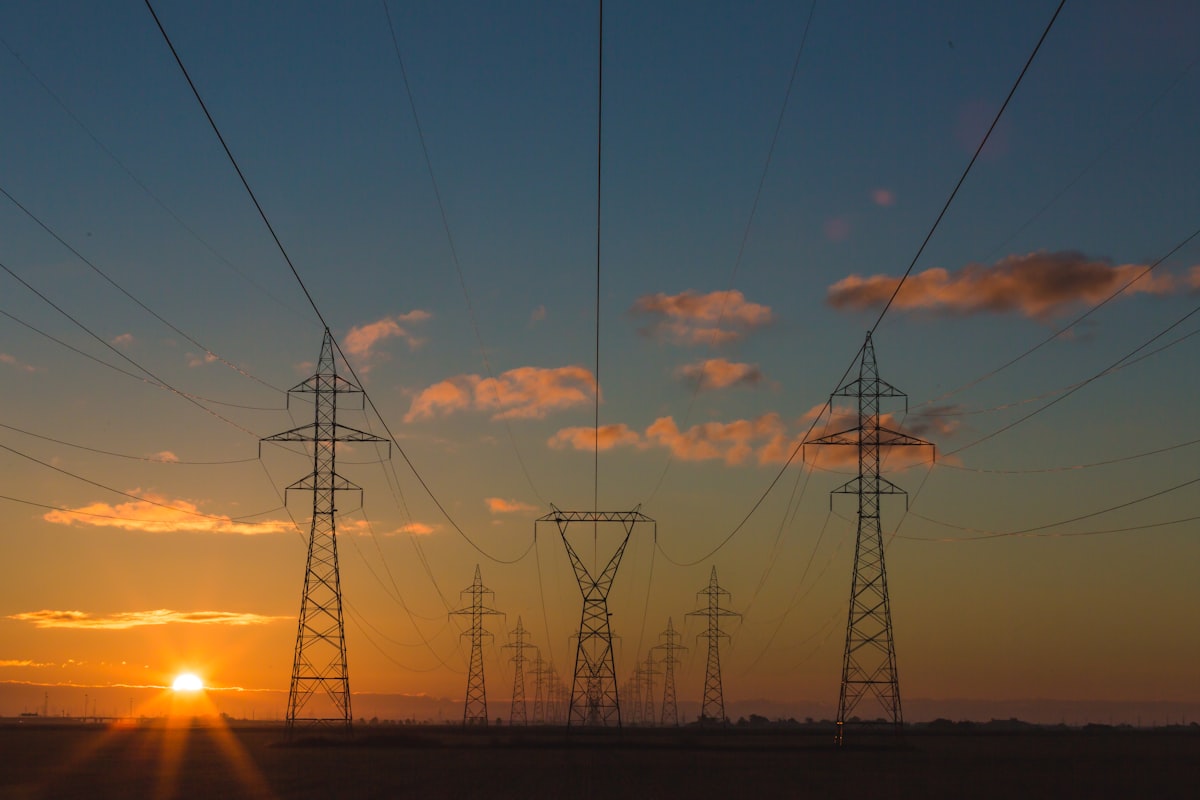
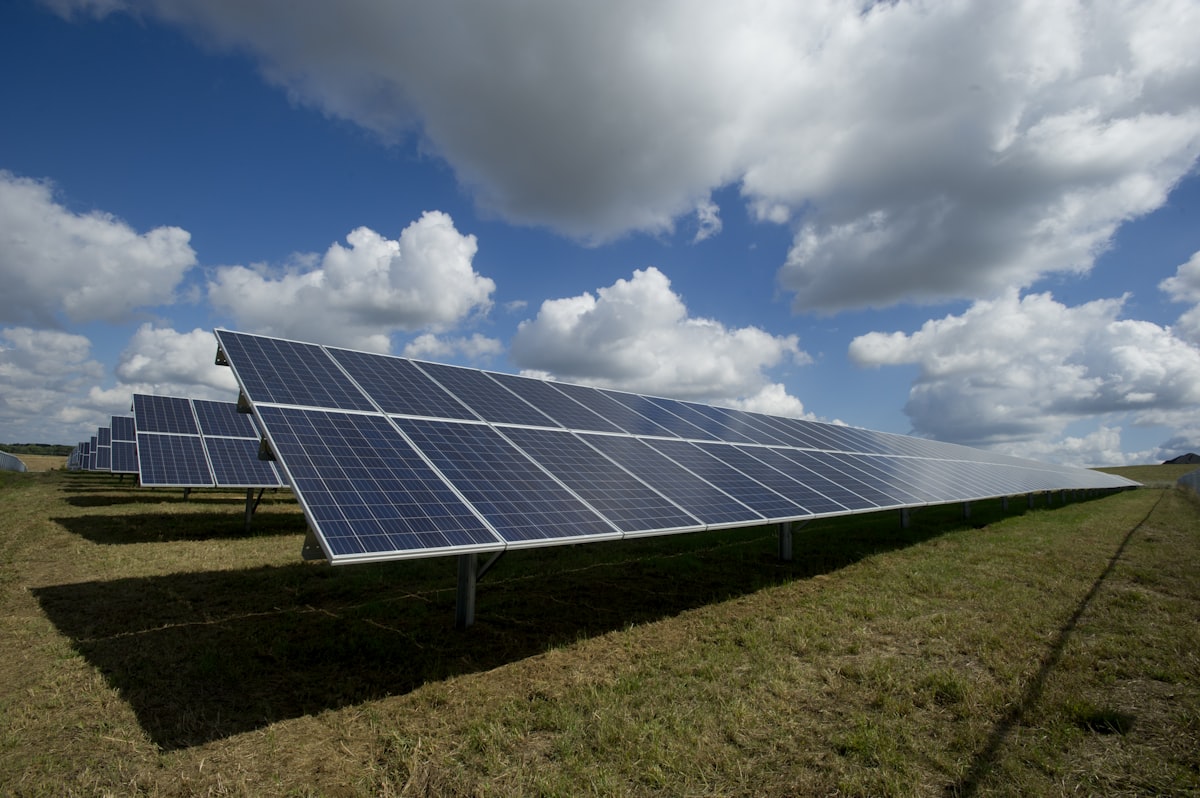
Egypt's green hydrogen ambitions rest on a convergence of geography, physics, and geopolitics. The country possesses some of the world's best renewable energy resources. Solar irradiance in Upper Egypt and the Western Desert reaches 2,400-2,600 kWh/m² per year — roughly 50% higher than the best sites in southern Europe. Wind speeds along the Gulf of Suez corridor average 10-12 metres per second, comparable to the best offshore wind sites in the North Sea.
These resources translate directly into the cost equation for green hydrogen. Producing green hydrogen requires vast amounts of cheap renewable electricity to power electrolysers that split water into hydrogen and oxygen. At Egypt's solar and wind costs — now below $0.03/kWh — the country can theoretically produce green hydrogen at $2.00-2.50 per kilogram, approaching cost parity with grey hydrogen (produced from natural gas) and well below the $4-6/kg costs in Europe.
Geography provides the export advantage. The Suez Canal places Egypt within two days' shipping of southern European ports. Pipeline routes across the Eastern Mediterranean could eventually connect Egyptian production directly to European gas networks. For a European Union that has committed to importing 10 million tonnes of green hydrogen annually by 2030 — and that desperately wants to diversify away from Russian energy — Egypt offers the most logical supply source.
The Players
The Suez Canal Economic Zone (SCZone) has become the epicentre of activity. Scatec ASA, the Norwegian renewable energy developer, is building a $5 billion facility at Ain Sokhna that will produce green ammonia (hydrogen's transportable derivative) for export. AMEA Power, backed by UAE investors, has committed $3.5 billion. Masdar, Abu Dhabi's clean energy company, is developing a $4 billion complex. Fortescue Future Industries, the Australian mining and energy giant, has signed agreements for a production facility capable of 9.2 GW of electrolyser capacity.
European companies are equally active. TotalEnergies has partnered with Egyptian firm Enara Capital. Eni is developing hydrogen projects in the Western Desert. European development banks — the EBRD, EIB, and KfW — are providing concessional loans and risk guarantees designed to accelerate bankability.
Green Ammonia: The Transport Solution
Pure hydrogen gas is difficult and expensive to transport. It must be either compressed to very high pressures, liquefied at -253°C, or converted into a carrier molecule. The dominant solution for Egypt's export projects is green ammonia — hydrogen combined with nitrogen, which can be transported as a liquid at moderate pressure and temperature using existing shipping and port infrastructure.
Green ammonia has a direct market in Europe's fertiliser industry (ammonia is the primary feedstock for nitrogen fertilisers) and an emerging market as a shipping fuel. The International Maritime Organization's decarbonisation targets are expected to create significant demand for ammonia as a maritime fuel from 2030 onward — and every ship transiting the Suez Canal is a potential customer.
The Obstacles
The gap between MoUs signed at climate conferences and operational production facilities delivering hydrogen is vast. Several structural challenges could delay or derail Egypt's hydrogen ambitions.
Water scarcity is perhaps the most underappreciated risk. Electrolysis requires roughly 9 litres of purified water per kilogram of hydrogen produced. At scale, Egypt's hydrogen projects would consume hundreds of millions of litres annually — in a country that is already one of the world's most water-stressed. Desalination is the assumed solution, but it adds cost and complexity.
Grid infrastructure must be massively expanded. Connecting gigawatts of new solar and wind capacity to electrolyser facilities requires transmission infrastructure that does not yet exist. Egypt's electricity grid, while relatively robust by African standards, was not designed for the scale of renewable generation now planned.
Offtake uncertainty remains. European hydrogen demand projections are ambitious, but the infrastructure to receive, store, and distribute imported hydrogen in European ports is still largely at planning stage. Without firm, long-term offtake agreements, project financing is difficult to secure.
Africa's Hydrogen Corridor
Egypt is not alone. Across the continent, a hydrogen production corridor is emerging. Namibia's $10 billion Hyphen project aims to produce green hydrogen from solar and wind in the Tsau Khaeb National Park. Morocco is integrating hydrogen into its existing solar infrastructure at Ouarzazate. South Africa's Hydrogen Valley initiative spans from Johannesburg to Durban. Mauritania, with vast desert and coastal wind resources, has attracted $40 billion in hydrogen project MoUs.
The African Development Bank estimates that green hydrogen could generate $120 billion in annual revenue for the continent by 2050, creating 3.7 million jobs. If Africa captures even a fraction of the projected global green hydrogen market, it could fundamentally reshape the continent's position in the global energy system — from a supplier of fossil fuels to a supplier of clean energy.
For Egypt, the hydrogen gamble is existential. The country's traditional gas exports are declining as domestic consumption rises. Tourism revenues are volatile. Remittances from the Gulf are substantial but not a growth engine. Green hydrogen offers a pathway to becoming an energy exporter again — this time, of a product the world needs more of, not less.