Driving south from Ouarzazate — the Moroccan city known as the "door of the desert" — the landscape is austere: red earth, scattered scrub, the High Atlas mountains receding in the rearview mirror. And then, suddenly, the future appears.
Thousands of parabolic mirrors stretch across the desert floor, their curved surfaces tracking the sun in silent, synchronised precision. At the centre, a 243-metre tower rises above the plain, its peak glowing white-hot from the concentrated energy of 7,400 heliostats — mirrors the size of tennis courts — all focused on a single point. This is Noor-Ouarzazate, the world's largest concentrated solar power complex, and the most visible symbol of Morocco's ambition to become a clean energy superpower.
The Scale
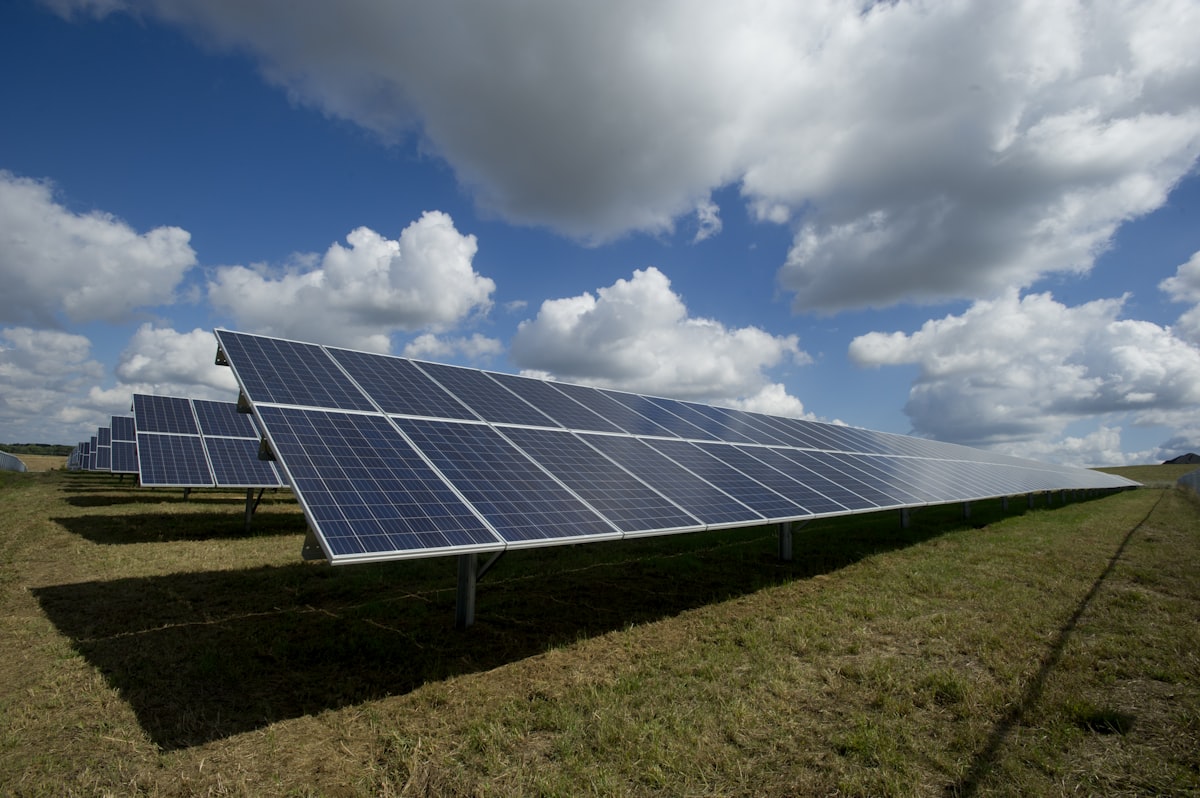
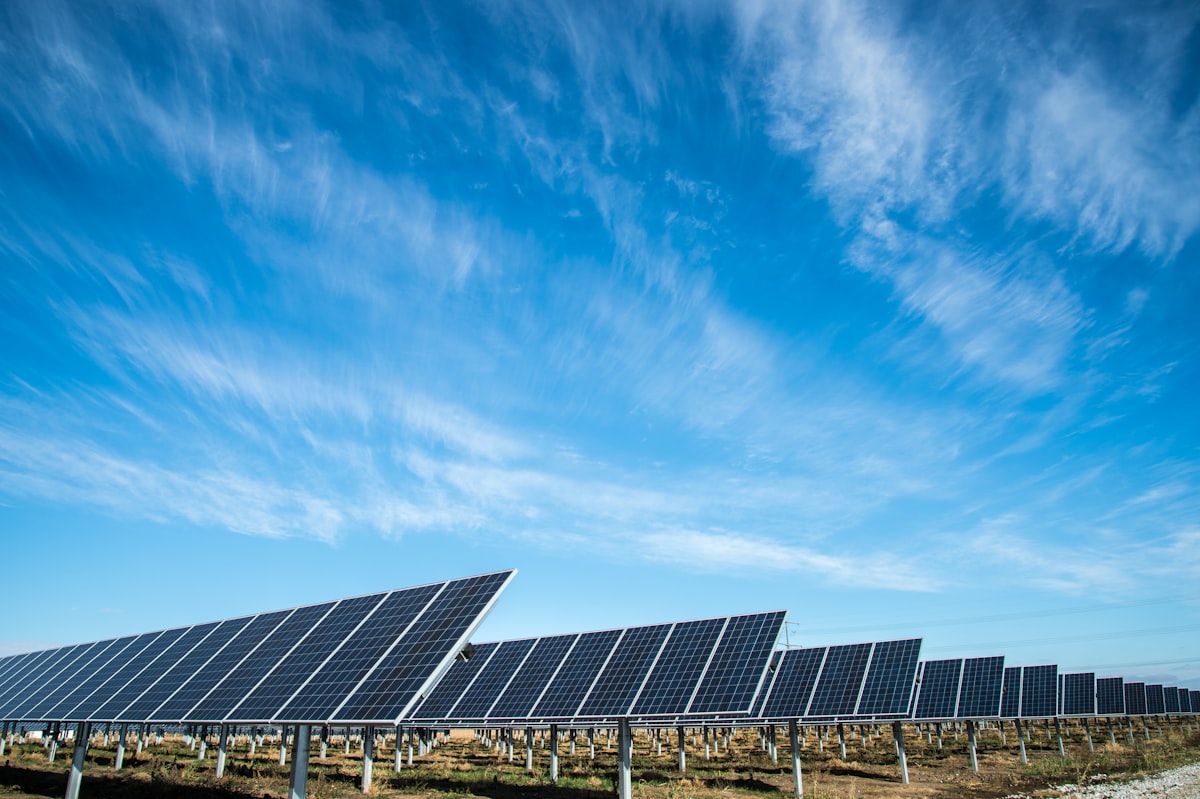
Noor-Ouarzazate spans 3,000 hectares — roughly the size of 3,500 football pitches — and comprises four phases. Noor I (160 MW), commissioned in 2016, uses parabolic trough technology with three hours of molten salt thermal storage. Noor II (200 MW) expanded the trough approach. Noor III (150 MW), the tower plant, uses a central receiver that heats molten salt to 565°C, storing 7.5 hours of thermal energy. Noor IV (72 MW) is a photovoltaic installation. Combined capacity: 580 MW.
The complex generates enough electricity to power a city of approximately 1.3 million people. But its strategic significance extends far beyond kilowatt-hours. Noor-Ouarzazate demonstrated, at commercial scale, that concentrated solar power with thermal storage can provide dispatchable electricity — power available on demand, including after sunset. That capability is critical for grid stability and has positioned Morocco as a global leader in a technology that may prove essential to the clean energy transition.
The Strategy
Morocco imports over 90% of its energy needs. The kingdom has no significant oil or gas reserves. This dependency — which historically made Morocco vulnerable to volatile global energy prices — became the catalyst for one of the developing world's most ambitious renewable energy programmes.
Launched in 2009 under the Moroccan Agency for Sustainable Energy (MASEN), the plan set an initial target of 42% renewable electricity by 2020, subsequently raised to 52% by 2030. Morocco has invested over $13 billion in renewable energy infrastructure, with projects across solar, wind, and hydropower.
Beyond Noor-Ouarzazate, the solar programme includes the Noor Midelt hybrid CSP-PV complex (800 MW, under construction), the Noor Atlas distributed solar programme, and multiple utility-scale PV plants developed through competitive auctions that have achieved some of the world's lowest solar electricity prices — below $0.02/kWh.
Wind energy has grown in parallel. The Tarfaya wind farm (301 MW) on the Atlantic coast and multiple projects under the 850 MW Integrated Wind Programme make Morocco the largest wind power producer in Africa.
The Europe Connection
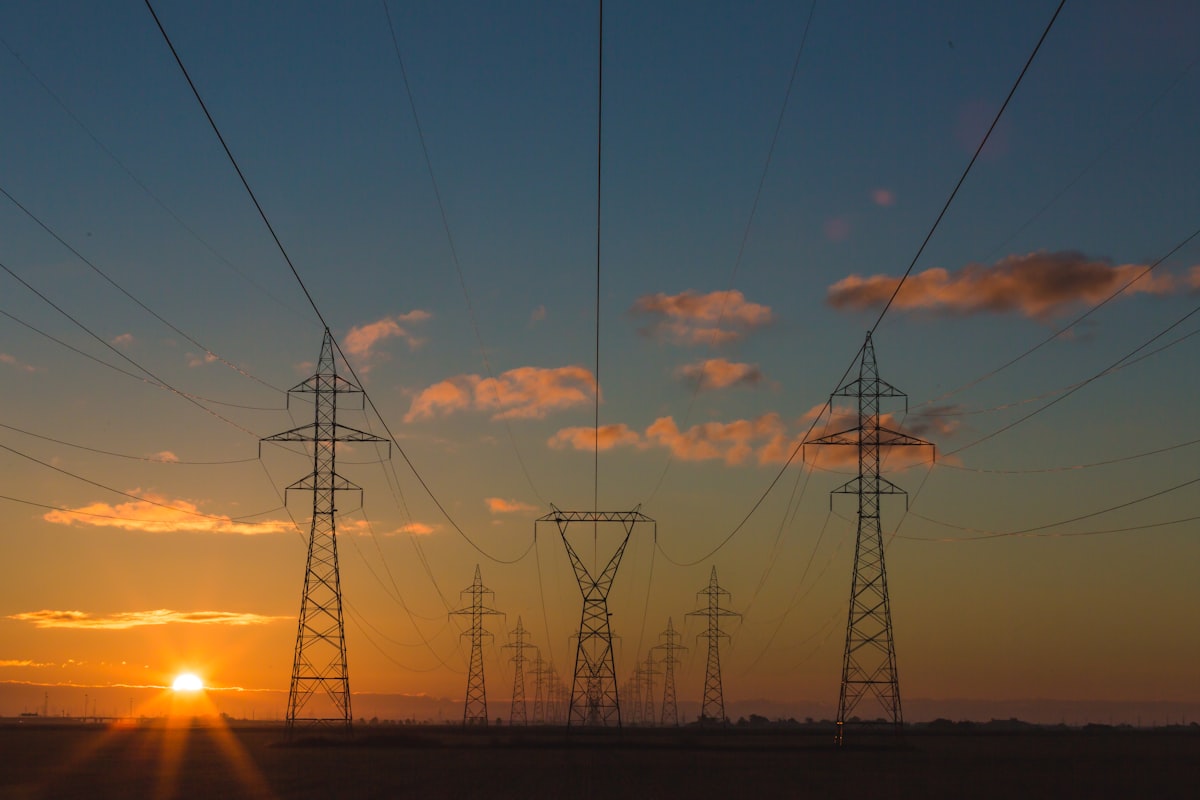
Morocco's geographical position — separated from Spain by just 14 kilometres at the Strait of Gibraltar — creates an export opportunity that no other African country can match. Two submarine cables already connect the Moroccan and Spanish electricity grids, with a combined capacity of 1.4 GW. Electricity flows in both directions depending on supply and demand.
The most ambitious export project is Xlinks, a planned 3,800 km subsea cable that would transmit 3.6 GW of solar and wind energy from Morocco to the United Kingdom. If completed — the target date is 2030 — it would supply approximately 8% of UK electricity demand with clean energy generated in the Moroccan desert. The project has attracted backing from UK and international investors and received planning consent from the UK government.
For the European Union, which has committed to climate neutrality by 2050 and is desperate to reduce dependence on Russian energy, North African solar represents a strategic import source. The EU's REPowerEurope plan explicitly identifies renewable energy imports from the southern Mediterranean as a priority. Morocco, with its proven track record, established grid connections, and political stability, is the obvious first-mover partner.
Local Value Creation
Morocco has insisted on local content requirements in its renewable energy programme. For Noor-Ouarzazate, the local content share exceeded 30% — including mirror manufacturing, steel fabrication, and civil engineering. The programme has created an estimated 25,000 direct jobs and seeded a domestic renewable energy supply chain.
MASEN has also established itself as a development partner for other African countries. It has signed cooperation agreements with Senegal, Burkina Faso, Rwanda, and Ethiopia to share technical expertise and develop renewable energy projects across the continent. This soft-power dimension — Morocco as Africa's renewable energy mentor — aligns with the kingdom's broader strategic position vis-à-vis sub-Saharan Africa.
Challenges and Controversies
The programme is not without critics. Noor-Ouarzazate's CSP components are significantly more expensive per megawatt-hour than photovoltaic alternatives. The choice of CSP was partly driven by technology showcase ambitions and the value of thermal storage, but subsequent cost reductions in battery storage have narrowed that advantage. Some energy economists argue Morocco would have generated more clean electricity per dollar invested by going entirely with PV and batteries.
Water consumption is a concern. CSP plants require water for mirror cleaning and, in some configurations, for cooling. In a water-stressed region, the trade-off between clean energy and water use requires careful management.
The Western Sahara dimension adds geopolitical complexity. Some of Morocco's planned and operational renewable energy projects are located in the disputed Western Sahara territory. International legal opinions differ on whether resource extraction in occupied territories is permissible, and several European companies have faced legal challenges over purchasing energy or goods produced in Western Sahara.
The African Template
Morocco's solar programme matters for the continent because it demonstrates scale. Africa has the highest average solar irradiance of any continent but generates just 3% of global renewable energy. The investment gap is enormous — IRENA estimates that Africa needs $60 billion annually in renewable energy investment to reach its potential, versus the roughly $10 billion currently being deployed.
Morocco's model — sovereign commitment, international development finance, competitive procurement, local content requirements, and a clear export strategy — provides a template that other African countries can adapt. Not every country can replicate Morocco's European proximity, but the fundamentals of abundant solar resources, declining technology costs, and growing demand for clean energy apply across the continent.