When the African Continental Free Trade Area officially began trading on 1 January 2021, the promises were expansive. A single market of 1.4 billion people. Annual trade increases of $450 billion. Thirty million people lifted out of extreme poverty. The largest free trade area in the world by member countries.
Four years later, the honest assessment is: it's complicated.
What Has Worked
The institutional architecture is largely in place. The AfCFTA Secretariat in Accra has been operational since 2020. Tariff reduction schedules covering 90% of goods have been submitted by most member states. Rules of origin — the technical but crucial regulations that determine which goods qualify for preferential tariff treatment — have been agreed for the vast majority of product categories.
The Pan-African Payment and Settlement System (PAPSS) may be AfCFTA's most tangible achievement. Operational since January 2022, PAPSS allows businesses and individuals across Africa to make and receive payments in their local currencies without converting through the US dollar or euro. Before PAPSS, a Kenyan importer buying goods from Nigeria had to convert shillings to dollars, then dollars to naira — a process that added cost, delay, and exchange rate risk. PAPSS eliminates that friction. Transaction volumes have grown from near-zero to over $2 billion monthly.
Intra-African trade has increased, from approximately 14.4% of total African trade to roughly 17%. The absolute numbers are more telling: formal intra-African trade reached an estimated $210 billion in 2025, up from approximately $170 billion in 2021. Much of this growth has been in processed foods, pharmaceuticals, chemicals, and light manufactured goods — precisely the value-added products that AfCFTA was designed to promote.
What Has Not
The gap between ratification and implementation remains AfCFTA's central challenge. While 54 of 55 African Union members have signed the agreement and 47 have ratified it, the number that have fully operationalised their tariff reduction schedules and customs procedures may be fewer than 30. Many countries have submitted tariff schedules but not yet trained customs officials, updated border systems, or aligned domestic regulations.
Non-tariff barriers continue to extract a far greater cost than tariffs. A truck carrying goods from Durban to Dar es Salaam still faces an average of 6-8 border stops, unpredictable customs clearance times, and regulatory requirements that differ at every crossing. The World Bank estimates that reducing non-tariff barriers would generate three times the trade gains of eliminating tariffs alone.
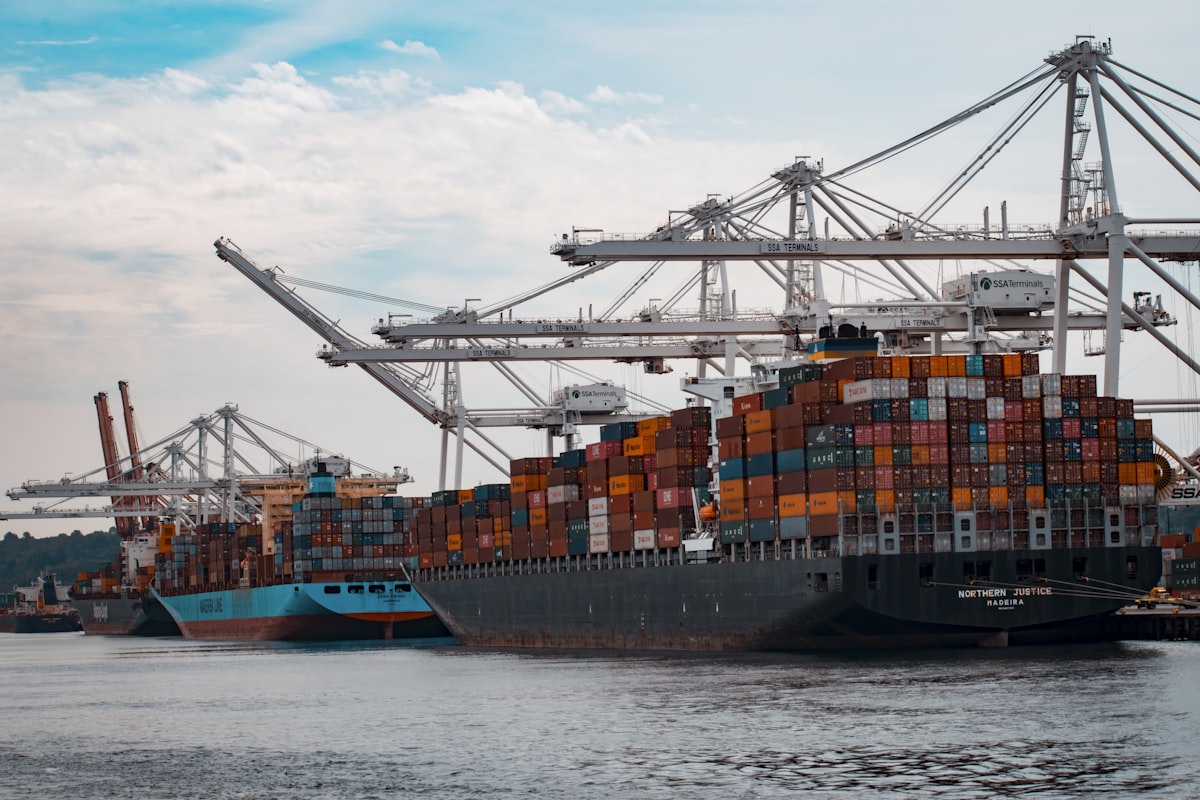
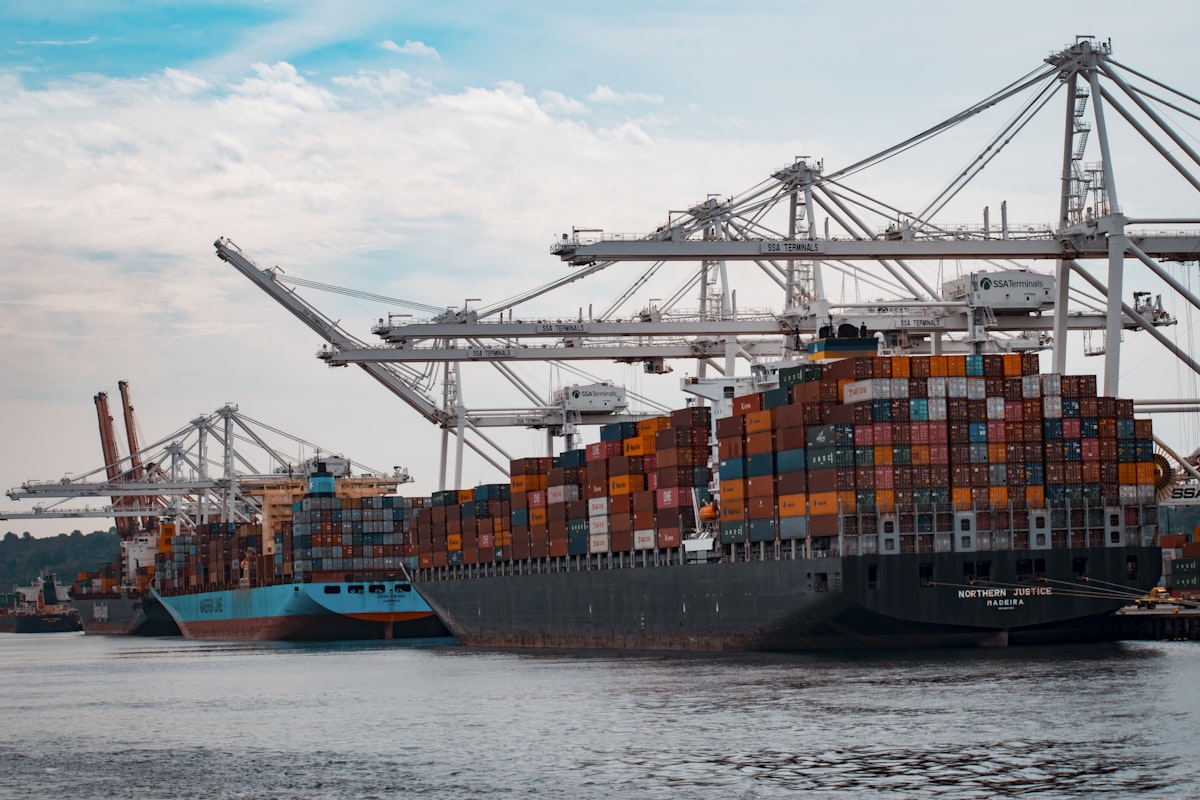
Infrastructure deficits limit what trade agreements can achieve on paper. Only 30% of Africa's road network is paved. Rail connections between countries are minimal (most colonial-era rail lines run from mines to ports, not between African cities). Shipping a container from Mombasa to Lagos is often cheaper via transshipment through Asia or Europe than directly along the African coast.
The trade finance gap is perhaps the most underappreciated constraint. African banks turn down approximately 80% of trade finance applications from small and medium-sized businesses, compared to a global rejection rate of 45%. Without letters of credit, guarantees, and working capital facilities, companies cannot practically engage in cross-border trade regardless of tariff levels.
Sector-Level Results
Automotive: The AfCFTA automotive task force has made tangible progress. South Africa, traditionally the continent's automotive hub, has signed agreements with Kenya, Ghana, and Egypt to develop cross-border automotive supply chains. Ghana's VW assembly plant is now importing components from South African suppliers under preferential AfCFTA tariff rates.
Pharmaceuticals: Covid-19 exposed Africa's dependence on imported medicine (99% of vaccines, 70% of pharmaceuticals). AfCFTA's Pharmaceutical Initiative has accelerated efforts to build continental manufacturing capacity. Rwanda, South Africa, and Senegal have established manufacturing facilities, with AfCFTA preferential tariffs supporting intra-African distribution.
Agriculture: Trade in processed agricultural products has increased, with Kenyan tea, Ethiopian coffee, and Ivorian cocoa products moving more freely across regional borders. However, sanitary and phytosanitary (SPS) standards remain a major barrier — each country maintains different food safety requirements that effectively restrict agricultural trade.
The Second Phase
AfCFTA's second phase of negotiations — covering investment, competition policy, intellectual property rights, and digital trade — is where much of the agreement's long-term value may reside. The investment protocol, if successfully concluded, would create a continent-wide framework for investment protection and dispute resolution that could significantly boost cross-border investment flows.
The digital trade protocol is particularly significant. E-commerce, digital services, and data flows are growing rapidly across Africa, but the lack of a harmonised framework creates uncertainty. A continental digital trade agreement could unlock significant value in the fastest-growing segments of African commerce.
The Honest Assessment
AfCFTA after four years is neither the transformative success its champions promised nor the irrelevance that sceptics predicted. It has created institutional infrastructure, reduced some tariffs, enabled a practical payment system, and modestly increased trade flows. It has not yet addressed the structural barriers — infrastructure, trade finance, non-tariff barriers — that are the real constraints on African commerce.
The comparison with the EU single market is instructive. Europe's common market took decades to build, required massive infrastructure investment, and was preceded by centuries of trade relationships. AfCFTA is attempting something comparable in a fraction of the time, with far less capital, across a continent with less pre-existing trade infrastructure.
Progress is real, if incremental. The question is whether incrementalism is sufficient for a continent that needs economic transformation at speed and scale.