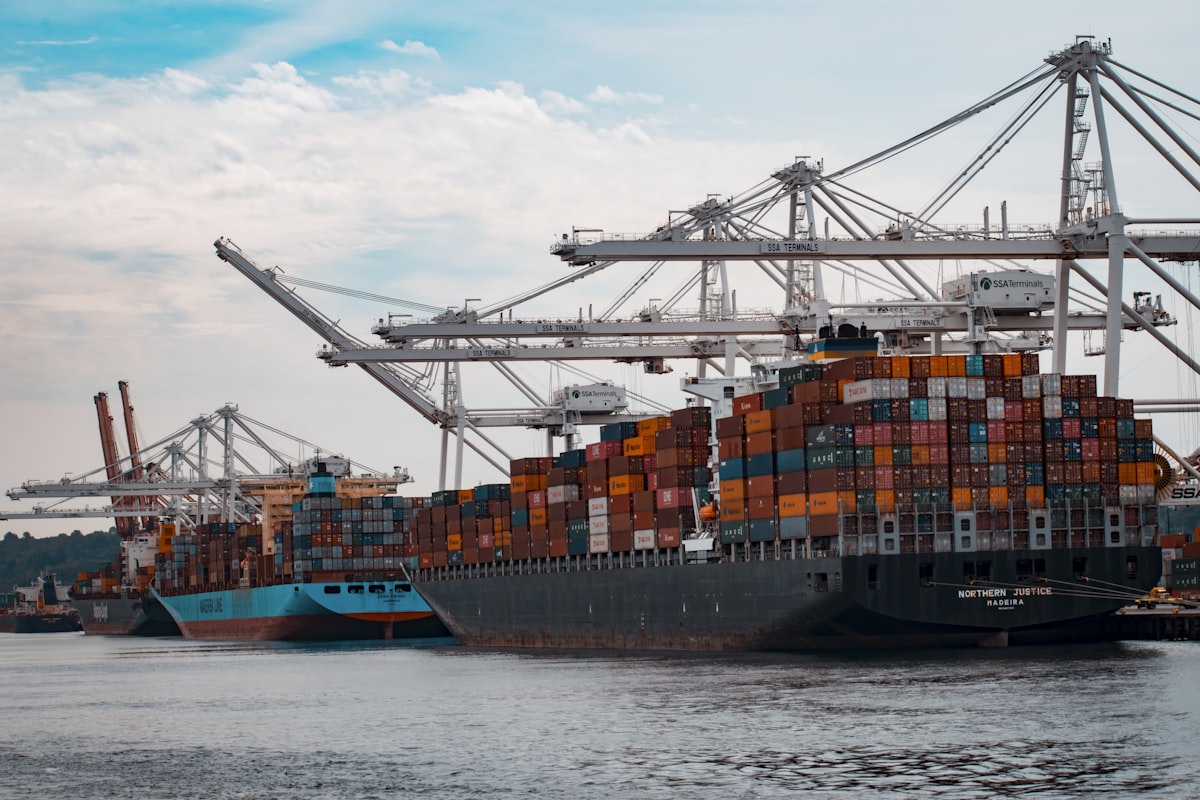
In our briefing on Afreximbank's trade research, we profiled the institution financing African commerce. This companion piece covers its counterpart in hard assets: Africa50, the infrastructure investment platform that most global investors have never heard of — and that sits behind some of the continent's most significant power, transport, and digital projects.
The Gap It Exists to Close
The African Development Bank estimates the continent requires $130–170 billion of infrastructure investment every year and actually raises barely half — an annual financing gap of roughly $68–108 billion. The consequences compound through everything we cover: power shortages that tax South African mining (Part 2 of our Resource Wealth Series), transport corridors that determine whether Congolese copper reaches ports (Part 1), and the impassable roads that keep intra-African trade at 15% of the total. As we argued in Africa Doesn't Need More Aid — It Needs Better Capital Infrastructure: the constraint is not opportunity, it is plumbing.
The catch is that the gap cannot be closed by governments (fiscally stretched) or aid (structurally insufficient). It requires private capital at scale — and private capital requires bankable projects, credible counterparties, and exits. Manufacturing those conditions is Africa50's actual job.
What Africa50 Is
Founded by the African Development Bank and headquartered in Casablanca, Africa50 is owned by more than thirty African governments, plus central banks and institutions — a shareholder register that doubles as political risk insurance, since host governments are literally invested in its projects' success. It operates across the project lifecycle: a development arm that takes early-stage risk to turn ideas into bankable deals, and an investment arm that puts equity into projects ready to build.
What It Has Actually Built
| Project | Country | What it is |
|---|---|---|
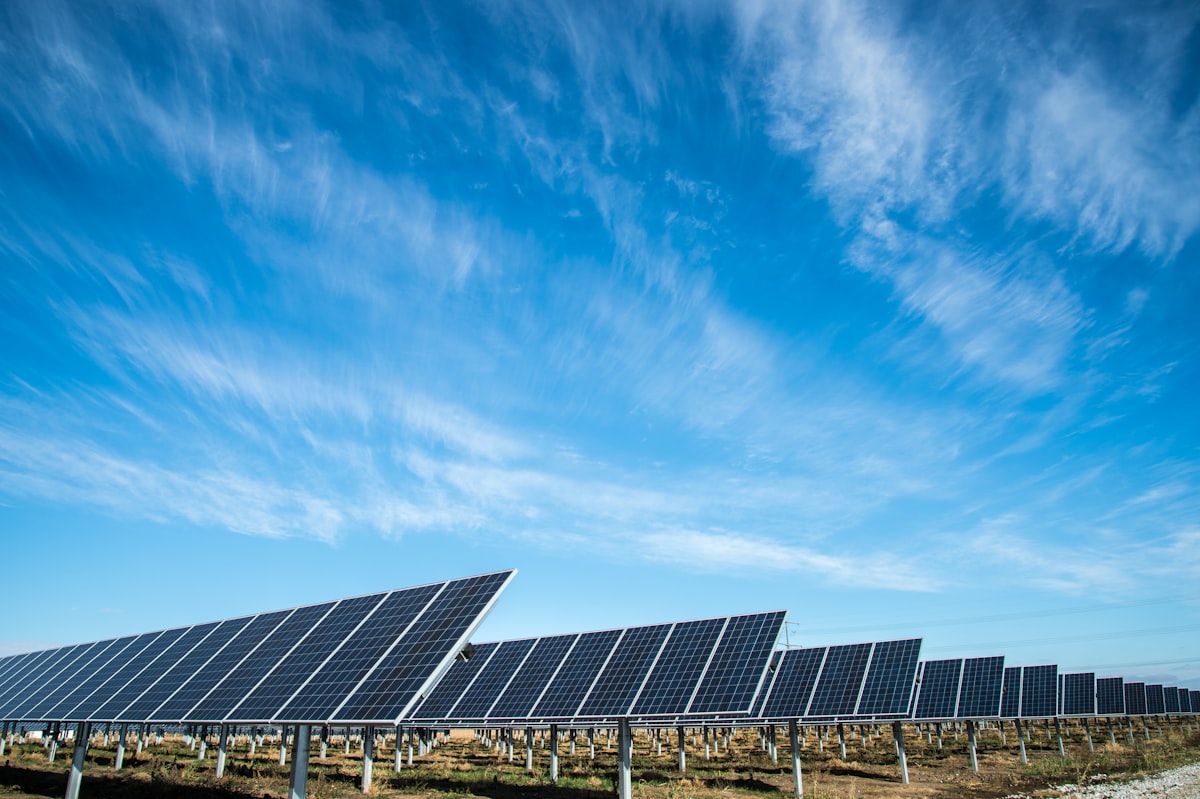
| Benban Solar | Egypt | One of the world's largest solar complexes (~1.5GW); Africa50 co-developed two plants |
| Azura-Edo IPP | Nigeria | Landmark independent gas-fired power plant; template for Nigerian project finance |
| Kigali Innovation City | Rwanda | Tech and education campus anchoring Rwanda's digital ambitions |
| Volobe Hydro | Madagascar | 120MW hydropower project addressing chronic power scarcity |
| Senegambia Bridge | The Gambia | Asset-recycling deal: operating an existing bridge, freeing state capital |
| Digital infrastructure | Pan-African | Fibre, towers and data-centre ventures across multiple markets |
The Two Ideas Worth Understanding
Asset recycling. African states own billions of dollars of operating infrastructure — bridges, toll roads, transmission lines — that sit on government balance sheets earning nothing for future projects. Africa50's asset-recycling programme monetises them: private operators take over mature assets under concession, governments receive upfront capital to build new infrastructure, and investors get de-risked, cash-generating assets rather than construction risk. It is the most under-appreciated idea in African infrastructure finance, because it turns the continent's existing stock into a funding source for its future stock.
Crowding in, not crowding out. Africa50's Infrastructure Acceleration Fund raised hundreds of millions from institutional investors — insurance companies, pension funds, sovereign wealth — precisely the pools of capital that historically avoided African projects. Every institutional dollar that enters through a credible platform lowers the perceived risk for the next one. That is how the $100 billion gap actually closes: not in one headline, but in a compounding track record.
Why Investors Should Watch It
Most readers cannot buy Africa50 shares — its register is reserved for African states and institutions. Watch it anyway, for three reasons. First, its project pipeline is a leading indicator: where Africa50 develops, power supply, logistics costs, and digital capacity improve — the operating environment of every listed company in the Africa 30 Index. Second, its deals create listed-market opportunities around them: construction groups, cement producers, banks arranging the debt. Third, its funds are increasingly open to institutional allocators — relevant to any fund manager reading this ahead of a conversation about African exposure, alongside the routes in our guide to investing in African markets.
The Bigger Picture
Afreximbank finances the trade; Africa50 builds the corridors the trade moves through. Together they represent something genuinely new: African-owned institutions, capitalised by African states, solving African constraints with commercial discipline rather than donor logic. The infrastructure gap will take decades to close. But for the first time, the machinery closing it belongs to the continent — and its progress is measurable, project by project, in the earnings of the companies our index tracks every day.
Sources & Attribution
This briefing summarises publicly available information from Africa50 (africa50.com), African Development Bank infrastructure assessments, and project disclosures. All findings are restated in our own words with figures given as ranges; underlying research remains the property of its publishers, and we encourage readers to consult the originals. Nothing here constitutes investment advice.