In Part 1 of this series we went inside the DRC's $24 trillion mineral vault. Part 2 moves south, to a resource story with the opposite shape: not a frontier state struggling to capture its endowment, but Africa's most industrialised economy wrestling with what happens when the world changes its mind about your flagship export — twice in one decade.
The Bushveld: Geology's Greatest Concentration of Wealth
Two billion years ago, a vast body of magma cooled slowly beneath what is now Limpopo and North West province, sorting its minerals into neat, mineable layers. The result — the Bushveld Igneous Complex — is the largest known layered intrusion on Earth and holds approximately 90% of the world's platinum group metal (PGM) reserves: platinum, palladium, rhodium, ruthenium, iridium, and osmium.
No other commodity on the planet is this geographically concentrated. OPEC controls perhaps 40% of oil supply. The DRC produces 70% of cobalt. South Africa's grip on PGMs — roughly 70% of mined platinum and over 80% of rhodium — exceeds both. When we placed South Africa second in our ranking of Africa's richest countries by natural resources, the Bushveld carried much of the argument.
The Crash: When the Future Arrived Early
For most of the modern era, PGM demand meant one thing: catalytic converters. Every petrol and diesel vehicle needs platinum, palladium, and rhodium to scrub its exhaust. That single application drove rhodium to nearly $30,000 an ounce in 2021 — briefly the most valuable commonly traded metal on Earth — and palladium above $3,000.
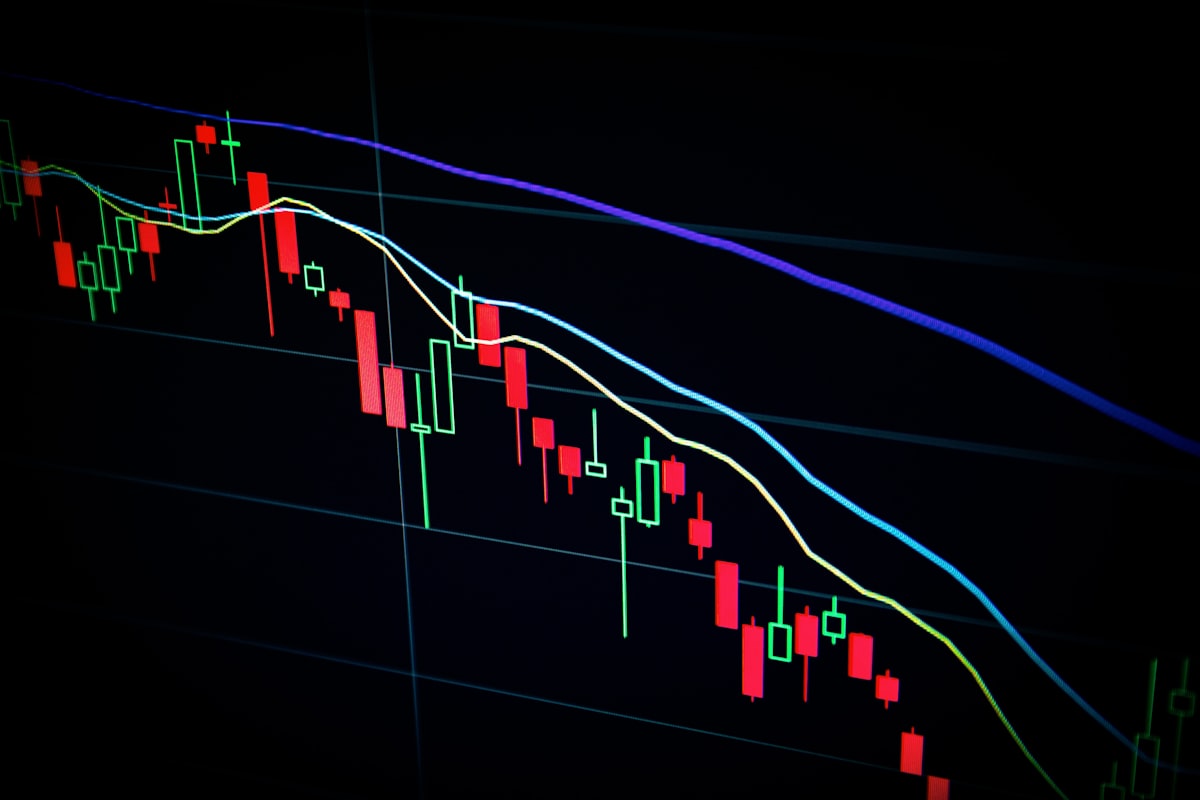
Then the battery-electric vehicle arrived at scale. BEVs have no exhaust, no converter, no PGM content. As EV adoption curves steepened, automakers destocked, and between 2022 and 2024 rhodium collapsed to under $5,000 and palladium to around $1,000. For South Africa the damage was national in scale: PGMs are consistently among its largest export earners, and the industry employs around 170,000 people directly. Mines moved to care-and-maintenance; producers cut capital spending to the bone.
It was the commodity-dependence lesson from our African trade briefing in miniature: when your export basket concentrates in one product, you import the volatility of a single global industry.
The Recovery — and the Two-Part Bull Case
Since 2025, platinum has staged a striking recovery, at times trading at multi-year highs. The bull case rests on two legs, one cyclical and one structural.
The cyclical leg: supply deficits. Years of underinvestment — Bushveld mines are deep, electricity-hungry, and slow to restart — collided with steady demand from hybrids (which still need converters, and often more PGM loading than pure petrol cars), jewellery, and industry. The market has run persistent deficits, drawing down above-ground stocks. Meanwhile the EV transition itself has proven slower and lumpier than the 2022 consensus assumed, extending the internal-combustion tail.
The structural leg: hydrogen. Green hydrogen is made in electrolysers and converted back to power in fuel cells — and the leading PEM designs of both depend on platinum and iridium catalysts. If hydrogen scales into shipping, aviation fuel, steelmaking, and grid storage as projected, it creates a demand source that could eventually rival autocatalysts. South Africa knows it: the government's Hydrogen Society Roadmap explicitly frames the Bushveld as the anchor of a future hydrogen value chain, and projects from the Northern Cape to Boegoebaai aim to pair PGM catalysts with the continent's world-class solar resources — the same logic driving Egypt's green hydrogen push and Morocco's solar buildout.
The paradox in one sentence: the energy transition that broke the PGM market is the same transition that may remake it.
The Constraint Nobody Escapes: Power
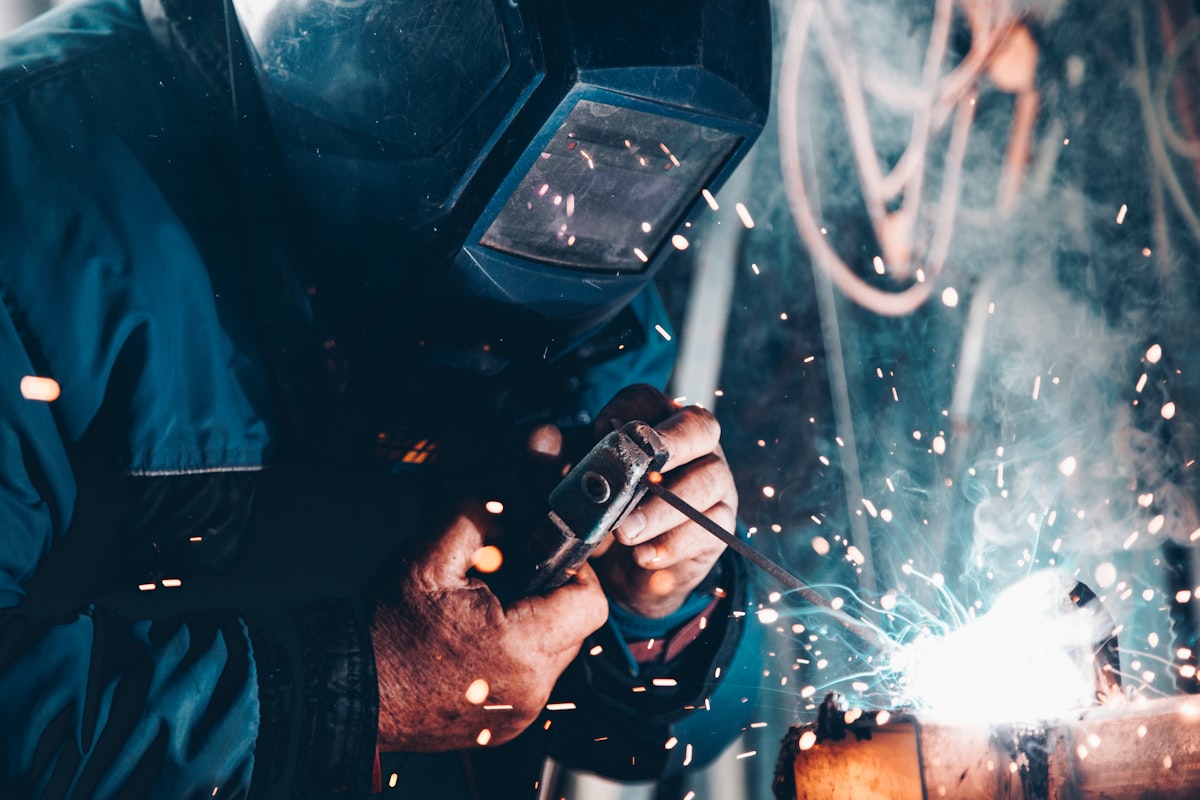
Bushveld mining is among the most electricity-intensive extraction on Earth — some shafts run two kilometres deep, and smelting PGM concentrate consumes enormous energy. South Africa's chronic electricity insecurity has therefore been a direct tax on the industry, forcing producers to become some of the country's largest private renewable-energy investors, with gigawatts of solar and wind now in company pipelines. It is a fix born of necessity, but it points somewhere interesting: miners that generate their own clean power are, in effect, building the first pieces of the hydrogen economy they hope to supply.
Who Mines It — and How to Get Exposure
Unlike the DRC, South Africa's resource giants are directly investable on a deep, liquid exchange — the JSE, the anchor market of our Africa 30 Index:
- Valterra Platinum (JSE; formerly Anglo American Platinum) — the largest primary PGM producer, demerged from Anglo American in 2025 into a standalone JSE-listed company.
- Impala Platinum (JSE) — major Bushveld and Zimbabwean operations, historically the highest-beta play on PGM prices.
- Sibanye-Stillwater (JSE/NYSE) — PGMs in South Africa and the US plus gold and battery-metals ambitions; the most diversified of the group.
- Northam Platinum (JSE) — the growth-focused independent, expanding through the downturn.
- Indirect routes — physical platinum ETFs, and the broader JSE exposure covered in our guide to investing in African markets.
The risks are the mirror of the opportunity: PGM prices remain hostage to EV adoption rates; deep-level mining carries safety and cost pressures; electricity and logistics constraints persist; and the hydrogen demand leg, while real, is still early — a thesis, not yet a cash flow.
The Bigger Picture
South Africa's platinum industry is the continent's oldest lesson in both directions. It shows what resource wealth can build: a listed mining complex, industrial supply chains, hundreds of thousands of livelihoods, and the deepest capital market in Africa. And it shows the exposure that comes with it: a single geological gift, tied to a single dominant application, in a world that changes its technologies faster than mines can change their economics.
The next decade decides which lesson wins. If hydrogen scales, the Bushveld becomes to the hydrogen age what Saudi oilfields were to the petroleum age — and this time, the refining, the catalysis, and ideally the electrolyser manufacturing have a chance to happen on South African soil. That is the outcome we will be tracking — in this series, and in the Africa 30 Index, where South African miners' fortunes show up in the continent's benchmark every trading day.
Sources & Methodology
Reserve and production figures reference USGS mineral commodity summaries, company disclosures (Valterra Platinum, Impala Platinum, Sibanye-Stillwater, Northam), the World Platinum Investment Council, and South Africa's Hydrogen Society Roadmap. Prices are stated as approximate historical ranges. Company mentions are not recommendations. Part 3 of the Resource Wealth Series will examine Nigeria's oil and gas economy. Nothing here constitutes investment advice.